
Trading volumes have surged in leveraged funds, options since the pandemic, data shows
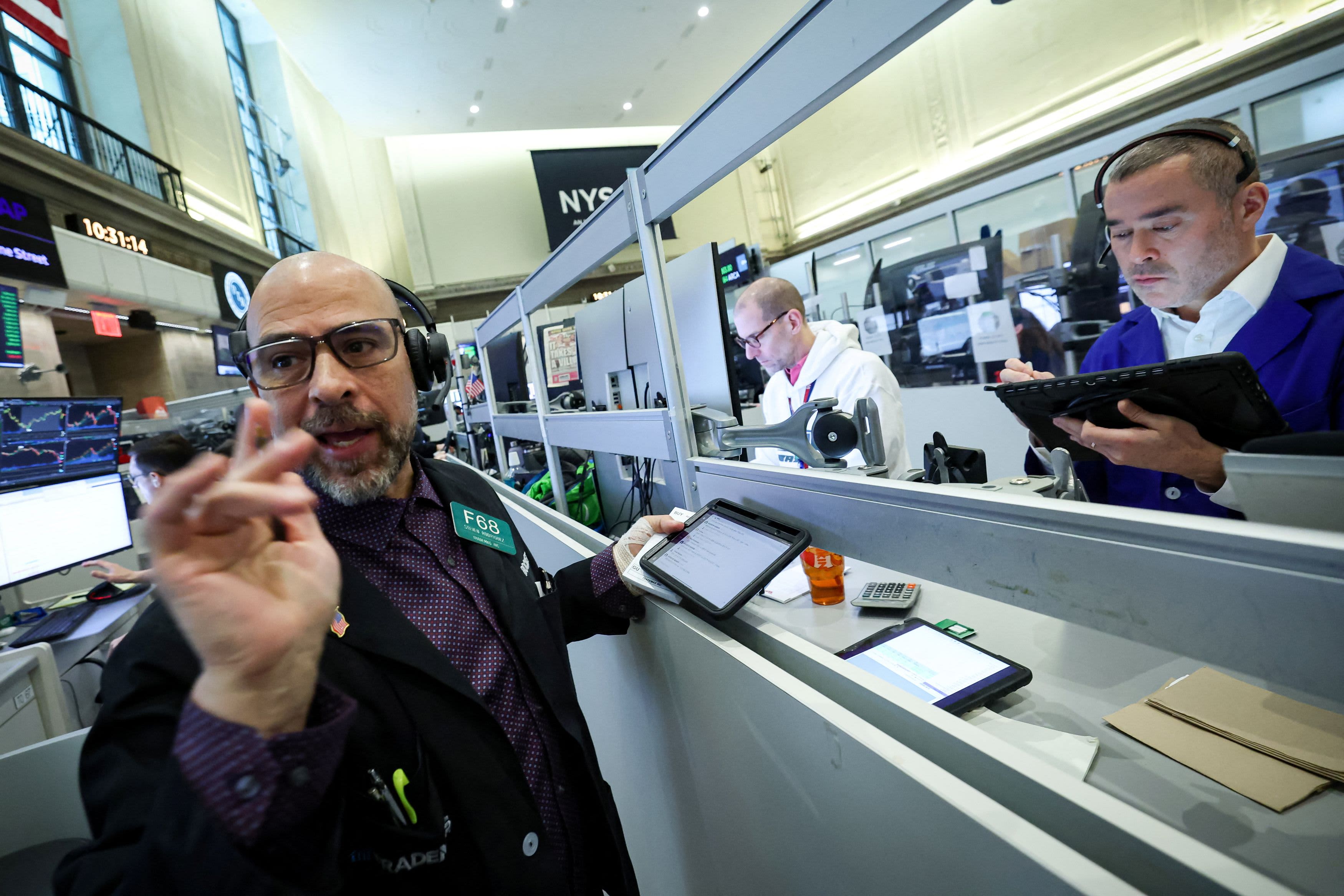
Futures-options traders work on the floor at the New York Stock Exchange’s NYSE American (AMEX) in New York City, U.S., Feb. 6, 2026.
Brendan McDermid | Reuters
Speculative investing tools have boomed in popularity since the Covid pandemic as more retail traders have entered the market, according to forthcoming data shared exclusively with CNBC.
Leveraged and inverse funds are expected to see average daily trading volumes of 1.41 billion in 2025, per a report from exchange-traded fund manager Direxion due out on Tuesday. That’s a gain of more than 130% from 2024 and 250% from 2020, the firm found.
Leveraged funds aim to use derivatives to boost the returns of an underlying asset, but they can also amplify losses. Inverse funds set out to give investors the opposite performance of an underlying asset.
Average daily options volume is projected to reach 58 million in 2025, Direxion found. This figure reflects a roughly 26% increase from the prior year and is more than double the amount seen in 2020.
“People have gotten really smart about investing and investing in complex vehicles,” Douglas Yones, Direxion’s chief executive, told CNBC in an interview.
Leveraged funds and options trading saw daily volumes grow at compound annual rates of 29% and 16%, respectively, between 2020 and 2025, Direxion found.
By comparison, stock volume expanded at a yearly pace of 10%. To be sure, stocks still dwarf leveraged funds and options when it comes to market volume.
Direxion’s report can signal rising demand for instruments that allow investors to take more risk. It also follows the boom in investing among retail investors during the pandemic that has since turned mom-and-pop traders into a critical force in financial markets.
Leveraged fund market grows
Last year was a major one for leveraged funds, Direxion said in the report.
That’s in part because everyday traders had more choices in the space. The total number of active leveraged funds grew by 50% in 2025, marking the largest annual increase since 2007, according to the report. About four out of five leveraged funds in the U.S. track equities, the firm said.
Additionally, Yones said Direxion saw increasing interest in lesser-known leveraged funds last year. For instance, he said the Daily South Korea Bull 3X Shares (KORU) gained traction as the Asian country’s market rallied.
Investors set records for volume and turnover in leveraged funds in April, as President Donald Trump‘s tariff policy sent markets into a tailspin, the report found.
That was part of a pattern last year of traders investing in leveraged bull funds after notable market declines, Yones said. This style of dip-buying helped drive bumper returns for retail traders in 2025.
Still, Yones said clients tend to have small sums in leveraged funds compared with more traditional investments. Market participants should think of leveraged funds as “satellite” positions within their portfolios and should research them before investing, he said.
Yones’ team said it’s hard to forecast if leveraged funds can expand at the same clip going forward. But he said demand should hold up with traders seeing these products as tools to ride rebounds following market pullbacks.
“We are in a world where we get these massive singular statements, … particularly around politics, that will move the market very short term, and then the market snaps back,” Yones said. “Investors are getting smart about that.”